

Why Employee Surveys Matter to DEI
Simply put, because your employees do
Actively listening and seeking to understand your employees is the key to improving employee engagement. Of equal importance, is the prioritization of diversity, equity, and inclusion within the fabric of your organization. Combining these elements will strengthen your overall workplace culture and employee experience, and support a more robust, diverse, and dedicated workforce.
Holistic defines employee engagement as the strength of mental and emotional connection employees feel towards the work they do, their teams, and the organization they work for. Employee surveys are comprehensive tools that can quickly capture and assess real-time employee sentiment specific to any topic.
In our most recent installment of our What We’ve Learned webinar series, we shared nine tips on how you can use employee surveys in conjunction with your diversity, equity, and inclusion (DEI) efforts to gather real insight into the health of your organization. Holistic can work with you to build effective and actionable surveys covering over 65 topic areas. Support continues through Holistic’s follow-up focus groups and training sessions. With all of our sentiment collection efforts, we provide strategies on how to use your employee data to better engage employees at every stage in the life cycle.
The Lessons









When building an employee survey we believe you should follow three main themes:
Purpose: What is your “why”? Be specific about the reason you’re conducting a survey. Who will be involved in the creation? Who is the target audience? What are you looking to learn?
Logistics: Give people enough time to think through their answers. Be thoughtful about outside circumstances or events that can affect responses. Be clear with your communications and expectations to level set and maximize engagement.
DEI: Show investment in your people by creating a positive culture of care and psychological safety. Data from DEI-forward organizations will tell the story of consistency and equity of voices..
According to Gallup’s State of the Global Workplace: 2022 Report, businesses with engaged employees have a 23% higher profit compared with businesses with disengaged employees. The responses you receive can indicate areas of engagement, inclusion, equity, and understanding which Holistic can use to help you create a roadmap for a successful DEI plan. This utilization of feedback is what will engage employees and lead to higher levels of productivity and increased financial health Developing a plan to conduct and review employee engagement surveys for your organization is vital for these three reasons:
To inform initiatives and help you strategize: Deploying a successful employee survey can be difficult however, going straight to the source is one of the best ways to understand how to help your employees.
Allows people to be heard: Remind your employees that at its core, the survey process is about making stronger connections and building a better environment for everyone. Empower your employees to be honest, open, and supported in every way.
They identify gaps and seek to fill them: Don’t just stop at collecting survey results. Analyze them and make a plan to solve the problems you find. Communicate the process and expectations with your employees.
It is our philosophy that no two organizations are the same, so we strive to provide a unique approach to your employee survey process. Watch the full Taking a Pulse: Utilizing Employee Surveys webinar to learn more about the steps you can take today to improve your organization’s employee engagement
“ I especially liked how action oriented the tips and suggestions were
(I’m so tired of hearing only talk-talk-talk).”
Ask the right questions, and learn from the results
Utilize any of our free pulse surveys and we will provide complimentary data brief on the results today. If you enjoy the process we can customize it for your needs.
Creating Your Survey
Once you feel clear about your purpose and reason for conducting these surveys, you will need to decide on the design, layout, and frequency. This is crucial to the success of your overall process. We find that it is best to begin by determining what category the survey falls in.
Many surveys fall into these three main categories:
Employee Engagement
Employee Experience
Company Culture
Once you have determined what category best suits your big-picture goals, you will need to determine what layout best supports your goal. There are several layouts we typically use at Holistic.
Types of Surveys
Depending on your purpose, choosing the correct survey type will determine the length of engagement, the audience, and the type of questions. For example, if a public incident occurred that you strongly assume will affect your employees’ motivation or presence, a pulse survey may be the best option to get real-time insight on how to support them. If you have a retention problem and want to get a better understanding of what stage(s) in the employee life cycle is the root cause, life cycle surveys can help shed some light.
Pulse Surveys: A brief set (we suggest 4-12 questions) of questions that seek to gauge employee opinion on a specific topic.
360 & Employee Life Cycle Surveys: An ongoing survey that focuses on how your employee feels at any given time. What they expect and hope for from the moment they accept the offer to the moment they exit the organization
Annual/B-Annual Surveys: Surveys that are given to all employees on a regular cadence. They help level set across the organization at any given moment in time. If done bi-annually it can give a snapshot of the growth since the previous survey. (i.e. an annual DEI deep dive or annual employee engagement)
Cadence & Structure
Keep it brief, to the point, and use a recognizable format. Sometimes when employees hear that it’s time for a survey, they want to avoid it at all costs. Whether it’s because of trust or time, many organizations face the challenge of convincing their employees that there is genuine intent to amplify their voice and improve their experience. Pulse Surveys are great tools you can use to tackle that issue and bolster engagement without taking too much time away from your employees. Be sure that you have a set topic and stick to it!
Communication and transparency
An essential part of the employee survey process is communicating step by step with your employees before, during, and after the survey is conducted. It’s important to know that your communication should and will look different at each stage but the message and tone should remain consistent. Whether it’s through internal email, a team meeting, or comes directly from leadership always remain clear and concise. You should be prepared to respond accordingly to both positive and negative feedback.
After analyzing the results ask yourself “how will we share this internally?” If you want to showcase your results externally, ur Holistic Public Facing Report helps you do both and further your commitment to transparent communication.
Like most organizational process, leadership buy-in and participation is critical to successful implementation. A good leader knows that conversations about transparency are highly valued by employees and result in a stronger company culture.
One of the unique features of the HPFR is how it delivers data in a personalized way and eliminates the possibility of biased reporting. The data is blended with the voice of the employee so what you are seeing is data and quotes coming directly from them. See for yourself - engage with Yello’s live HPFR!
Let Data Tell the Story
Employee Engagement Analysis
An employee engagement survey gauges experience and progress across DEI, company culture, policy, advancement, overall satisfaction, and other key organizational focus areas. As a core survey in our Employee Engagement Analysis, the employee engagement survey is the main component that helps build the data story. We begin our process by breaking down your organization to its foundational makeup during a Company DNA Mapping session that will guide the framework for our analysis.
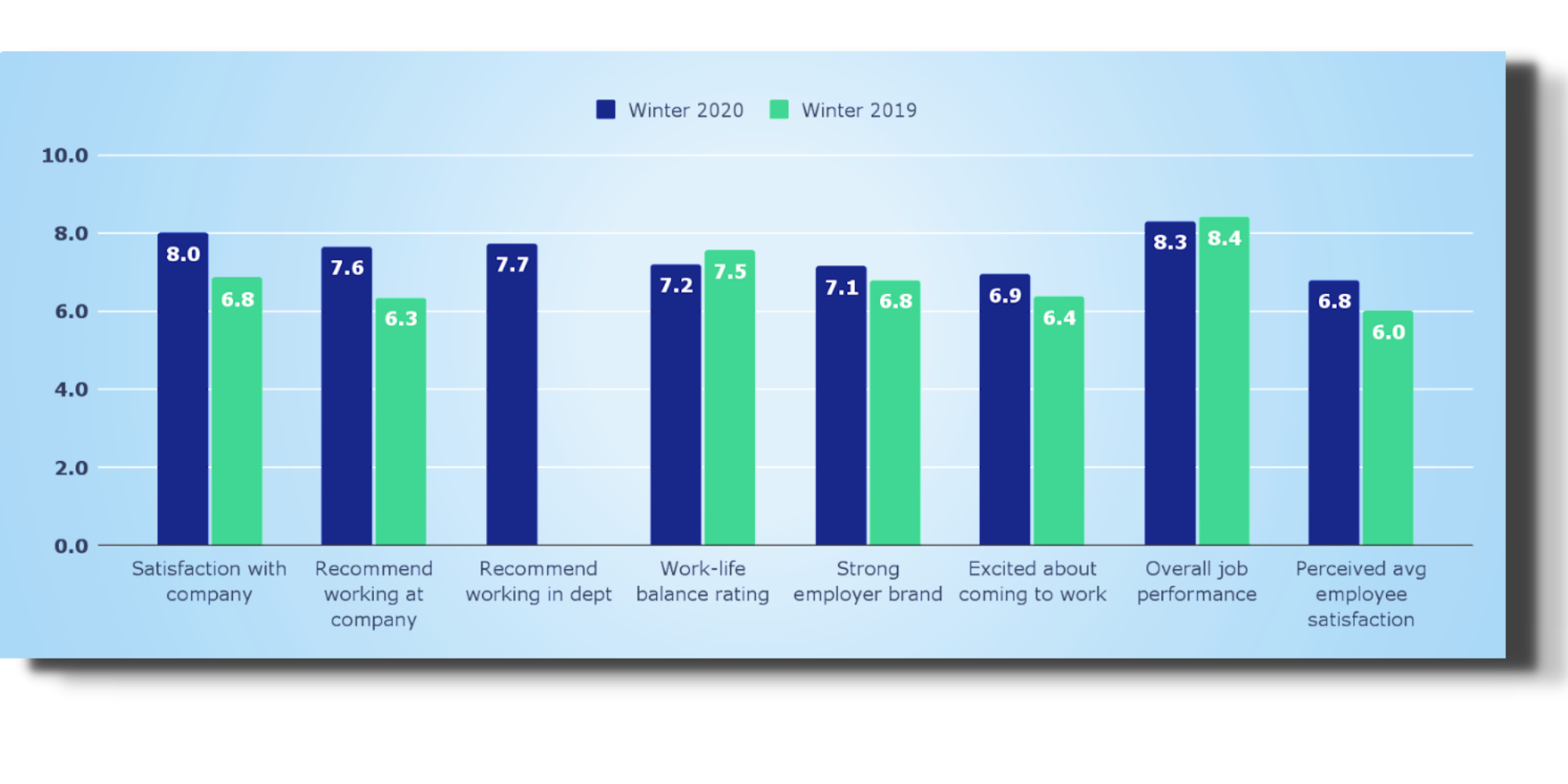
ACME, a Holistic Index created company
After gaining a better understanding of your organization’s infrastructure we work side by side with you to create tailored S.M.A.R.T goals, look at previous survey data, and build a long-term plan that can be implemented beyond our analysis. Depending on the context of what’s being captured we can facilitate focus groups, custom training sessions, or workshops to provide everyone with the tools they need to improve the workplace.
Take for example ACME, we conducted an annual employee engagement survey in 2020 during Covid-19 and found that when broken down by race, gender, and function the most
employees positively rated their overall employee experience. A nearly universal increase in sentiment was supported by extreme efforts on the part of leadership and HR to focus on understanding the challenges and taking care of employees first during a traumatic time.
Next Step: Take Action
Supply your people with resources
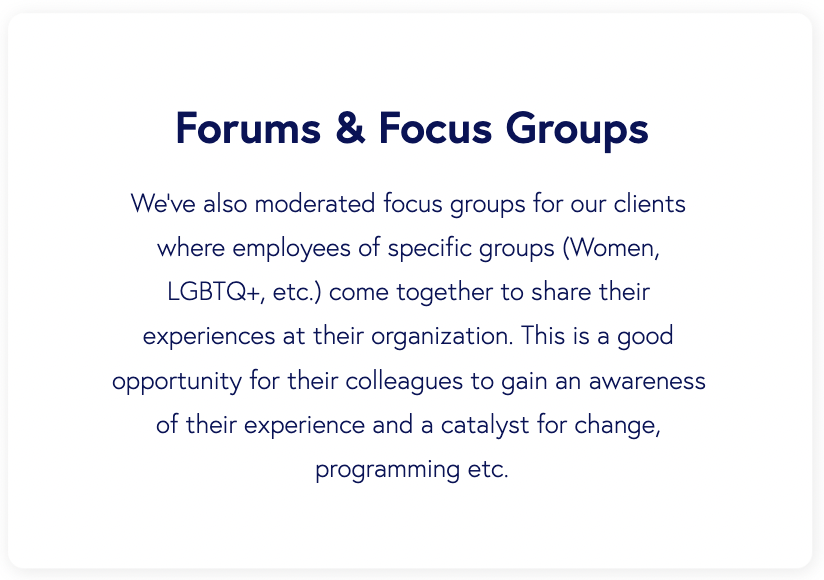
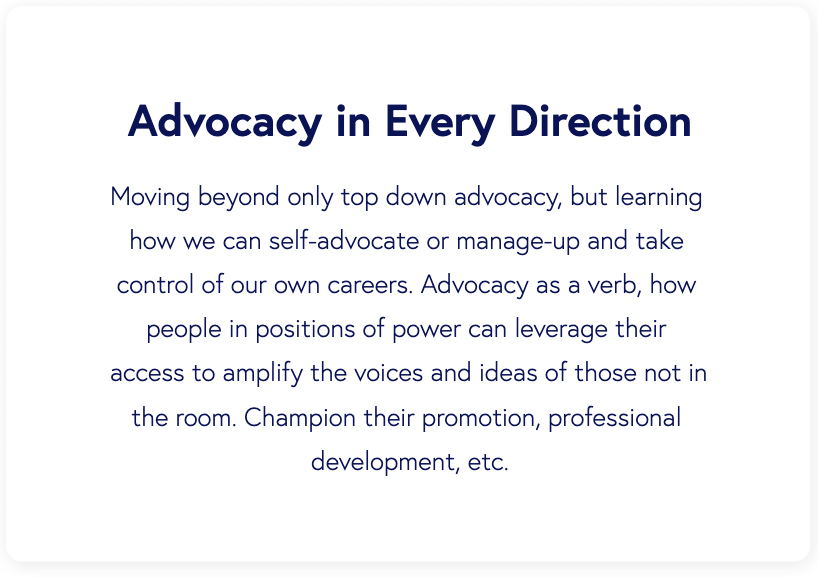
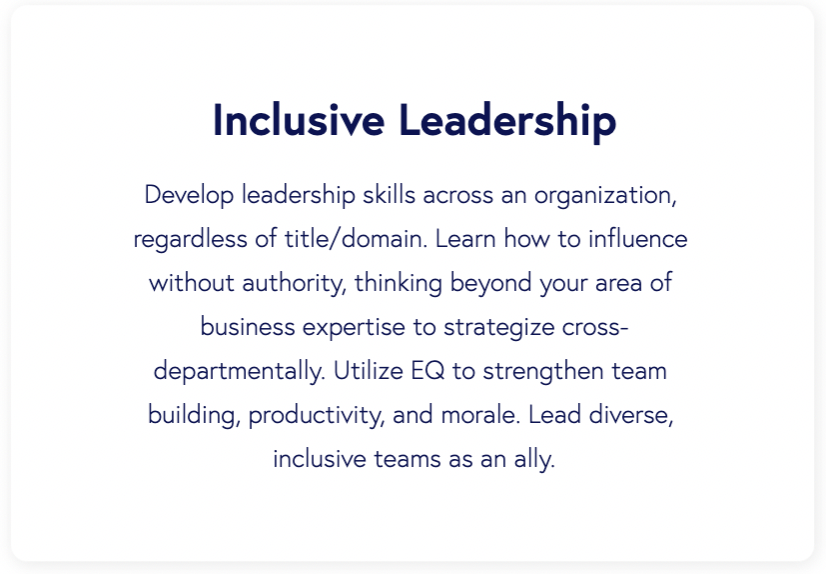
Training is a great way to foster inclusivity and collaboration within and outside of your team after you’ve shared your survey results. Whether it is just for leadership or the entire staff training provides an opportunity to have the tough conversations your survey surfaced, learn about workplace allyship, and more.
These are a few training sessions that we often suggest to complement your employee survey:
The Longterm Impact
People first. People always.
Most successful organizations get there by building a people-first culture. Experiences of high personal development, professional recognition, and increased cultural and self-awareness often characterize the long-term impact of conducting successful surveys and an improved employee experience. We often find this happens when there is a clear positive shift in executive leadership involvement and board-supported company-wide communication.
This alignment embraces a way of managing that holds leaders accountable for getting to know their employee's needs tending to their core competencies and improving their overall wellbeing. Simply put, a happy and engaged employee means better retention and higher productivity.
Companies with a highly engaged workforce are 21% more productive, 22% more profitable, and score 10% higher on customer ratings.
On the other hand, disengaged employees cost organizations around $450-550 billion each year (source). That is often paired with taking less responsibility and ownership of their attitude, behavior, and motivation, and drains overall productivity (source). Strong financial health can often be an indicator of an engaged workforce and like engagement, it can improve with a clear consistent plan. Prepare your team with our Leadership Survey.
If the business case for an inclusive, equitable, and engaging workplace environment was not apparent before, we hope that it is now. Overall, if taken seriously and properly executed the data and insight that employee surveys provide will directly improve almost every aspect of your organization. Holistic is a people-first organization. We use our proprietary tools to support organizations like yours to analyze, understand, and connect with your employees better than ever before.